Social media is great at creating brand awareness and discovery but it can be unpredictable. The algorithm changes, trends disappear and can be short-lived and your visibility can be reduced overnight.
While Instagram continues to introduce AI-powered recommendations, conversational shopping experiences, creator partnerships, and advanced commerce tools, many businesses are still using outdated strategies that limit their growth.
Sometimes your Instagram shop may look great but sales are slow. It is not always the platform and the algorithm, sometimes it is the small things holding you back, like your product names, missing trust signals or settings.
In this article, we'll explore some mistakes businesses make in 2026 and how to fix them.
Treating instagram like a product catalog
Posting poor quality photos
Underestimating how much AI content now shapes trust
No associated online store
No call to action
Not showing prices up front
Not tagging products in reels & stories
Purchasing followers / engagement
Poor link setup (or no link at all)
Poor customer service
Also read: How to start an online business in 2026
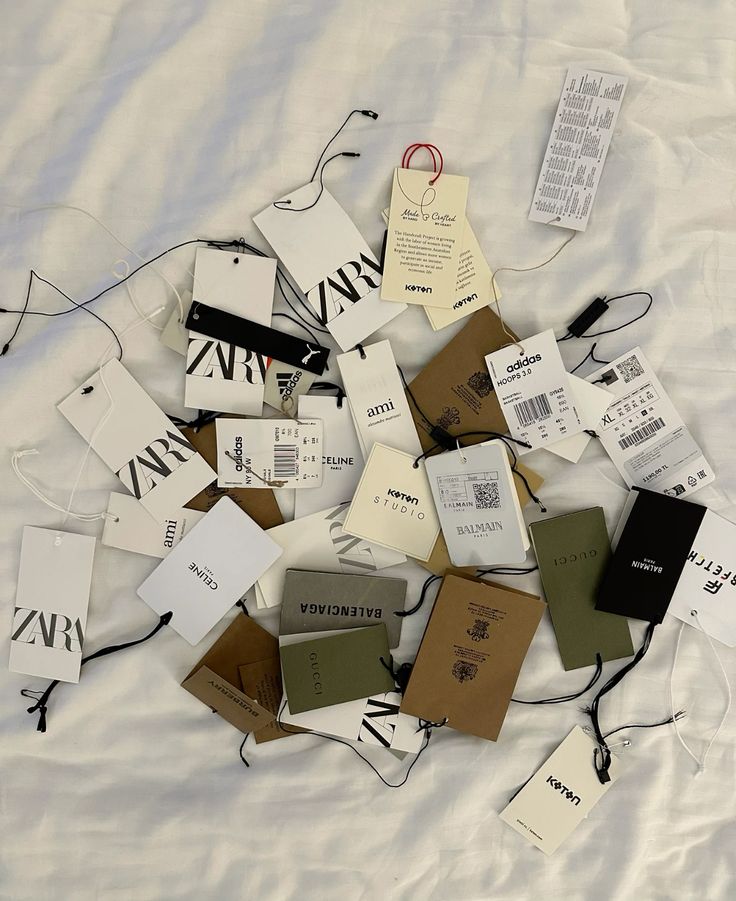
1. Treating Instagram Like a Product Catalog
One mistake businesses make is filling their profile with endless product photos and promotions. If you are constantly trying to sell, customers make loose interest. Most modern consumers don't open Instagram for advertisement, they want to be entertained, educated or inspired. Try to build trust in your brand before asking for sale.
If every post says "Buy Now," followers quickly lose interest.
What you can do:
Create behind-the-scene videos
Tips and tricks
User-generated content
Lifestyle content
Product demonstrations
Industry insights
2. Posting Poor Quality Photos
Blurry, low-quality pictures of products can reduce customers' trust. Instagram is mainly about visuals and you need captivating visuals to capture your audience attention.
You can hire a professional to take photos for your products or do some research online on how you can take and edit quality photos with your phone. Nowadays smartphones are equipped to take professional grade photos. Try to think about branding and have a consistent pattern for displaying your products, making sure the main details are shown and not missed by customers.

3. Underestimating How Much AI Content Now Shapes Trust
AI generated and assisted contents are now common and not going anywhere, at least anytime soon. Users are now more attentive to what is human made and what is AI made. Instagram has started rolling out account-level labels for accounts that regularly post AI content, and it's reducing recommendations for accounts that primarily repost others' work.
Leaning heavily on generic, templated, or obviously AI-generated content and assuming engagement will hold steady is a mistake.Try to use AI tools for efficiency, captions, editing or ideation but keep a real person and real voice at the centre of what you share. Always try to add real experiences, customer insights, and your brand personality. The goal isn't to sound like AI, it's to sound like your business, only better.
4. No Associated Online Store
A lot of businesses run their entire Instagram presence without ever setting up a real store behind it. Every sale is routed through DMs with the same flow, screenshots of products, manual price quotes, "send your address," back-and-forth on payment.
This usually works well when you are just starting out and at a small scale, but it caps growth hard: no catalog to browse, no way to buy at 2 a.m. when the business owner is asleep, and no order history to fall back on when a customer asks "did you get my payment?"
What you can do:
Set up a storefront (even a simple one) so products, prices, and checkout exist outside of DMs.
Link the storefront directly in your bio, not just a homepage.
Keep the catalog updated, remove sold-out items, add new arrivals promptly.
Reserve DMs for actual customer questions, not order-taking
That shift alone from "message us to buy" to "click to buy" removes one of the biggest friction points standing between an interested follower and a completed sale.
Want to Launch Your Online Store today? Checkout Yevade
5. No Call to Action
Some product descriptions just read like a spec sheet - material, size, colour, price and then nothing else. There are no next steps or nudge telling the buyer what to do next. Sometimes without a clear next step, like, "Shop now" , "Shop via DM", "Shop via link in bio", even an interested buyer can drift off the page without converting, especially on mobile where attention spans are short and thumbs move fast.
End every product description with a clear call to action like:
Few items left in stock, shop on the website now
Buy it now
Back in stock for a limited time, buy now
Join thousands of happy customers - shop now
Add to basket before it’s gone
Same day delivery. Order today.
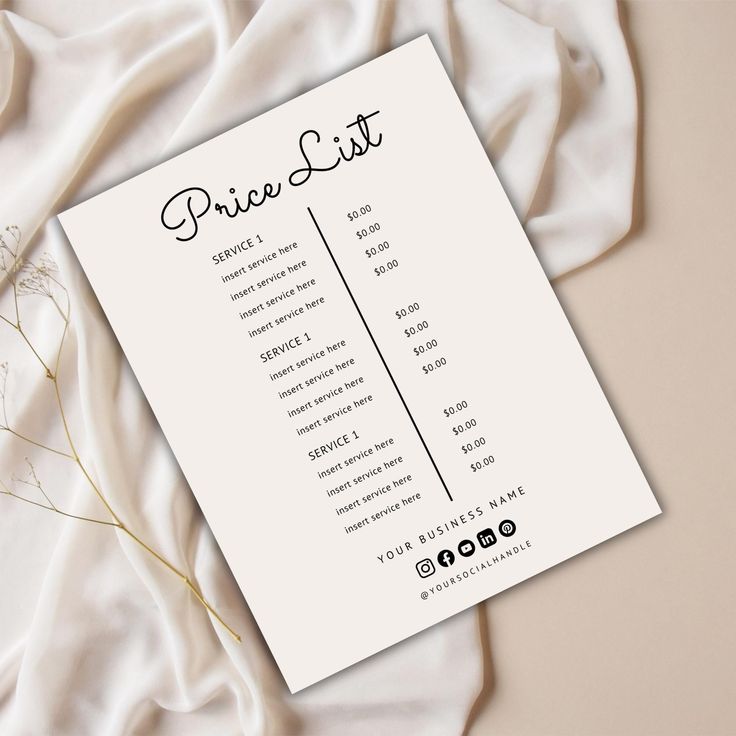
6. Not Showing Prices Up Front
Hiding the price and forcing people to "DM for pricing" can feel shady or like it protects sales conversations, but it usually just kills them. Most shoppers scrolling Instagram are comparing options in seconds, if they can't see the price immediately, the easiest move isn't to ask, it's to scroll past to a competitor who shows theirs. That hesitation gap costs far more sales than it ever protects.
Users usually want fast answers and transparency doesn't cheapen the brand, it removes the one barrier standing between interest and a sale.
What you can do:
Show the price where the eyes already are - caption, product tag or directly on the image.
If pricing genuinely varies (custom orders, services, bulk quotes), at least give a starting price or range so people can self-qualify before reaching out.
Reserve "DM for details" for the parts that actually need a conversation, like customization or availability not the price itself.
That's where a tool like Yevade helps. It lets you build a real storefront, where each variation (size, color, custom option) carries its own clear price, so instead of "DM for pricing," your bio link does the explaining for you.
7. Not Tagging Products in Reels & Stories
Most users on Instagram spend their time in reels and stories. This is where most of Instagram's organic reach lives but some businesses still post them without a product tag. Viewers may watch, like, and even want the item but then have no way to get from "I like this" to "I can buy this".
That gap is where sales quietly disappear, because most people won't go dig through your bio link or DM you to ask what they just saw.
Use Instagram’s “product tag” feature in:
Reels
Stories
Carousel posts
Lives (if available in your region)
Sellers who tag products in Reels usually see more conversions, unto 40%. Every reel can be a shoppable moment with the right signals.

8. Purchasing Followers / Engagement
Followers do not usually mean engagement and ultimately is not guaranteed to convert to sales. Having thousands of followers while at first glance may give a good impression but these days, users are more aware of "fake followers" and are able to check some metrics like, likes comments and views before deciding whether a profile looks credible.
There are free audit tools to spot fake or inactive followers and so while higher followers count may grab attention, it does not guarantee trust or long-term growth. There can also be legal and advertising concerns when a business uses fake audience signals to appear more credible.
Try to focus on growing your account organically to create brand loyalty, authority and awareness. If you want a faster boost, you can use paid ads targeting real people that fits your customer profile and not services that promise instant followers. A smaller, real audience that clicks, comments, and buys is worth more than a large, hollow one that does neither.
9. Poor Link Setup (or No Link at All)
The bio link is often the only bridge between "I like this" and "I bought this" and a lot of businesses either leave it blank, point it to a generic homepage or have a link-in-bio tool with ten unrelated links that ends up confusing potential customers.
Sometimes users just want to buy directly from your site without entering your DM and by the time someone finds the right product, the moment is gone. Worse, some businesses skip a link entirely and rely on "DM us" for every purchase, adding friction exactly where there shouldn't be any.
Make the bio link direct people straight to something they can buy. That could mean linking directly to a featured product, a current promotion, or a clean storefront rather than a cluttered homepage. If your catalog has real structure (variations, pricing tiers, multiple products), a proper storefront link like the one Yevade builds is worth setting up, one link that takes shoppers straight to browsable products with clear pricing, instead of a flat homepage. Update it every time you launch or promote something new and try to give customers incentives to use your website and get used to it.
10. Poor customer service
A lot of customers will want to customise their orders, ask questions, or have other enquiries. You must be aware of the customer's lack of patience, so your response should be prompt and educational.
When something goes wrong, it can be a delayed order, a wrong size or a refund request and there's no clear way to get help, customers don't quietly wait. They post it in the comments, mention it in their Story, or just never buy again. A bad support system doesn't just lose the one sale in question; it becomes public proof to everyone else watching that the business disappears once money has changed hands.

It is a good idea to include a link to your customer service, which could be an email address, a link to your website with live chat, or a link to your Facebook page. Additionally, some people use WhatsApp Business for customer service.
Summary
Look at these mistakes side by side and a pattern shows up fast: almost all of them come down to friction and silence. Friction that stops an interested shopper from getting to checkout like no CTA, no product tags, no bio link, no visible price. And silence where a business should be talking to its customers, no support system, no real store behind the storefront.
None of these fixes require a bigger budget or a bigger following. They require closing the small gaps between "someone is interested" and "someone can buy" and staying present once they do. Fix the friction, fix the silence, and the account you already have will convert a lot more of the attention it's already earning.
Want to Launch Your Online Store today? Checkout Yevade
Share this article:
Latest articles
10 Trending Products to Launch a Successful Online Business in 2026
Social commerce is moving faster than ever. Driven by social media trends and a massive consumer shift toward digital convenience, the opportunity to launch a lucrative online retail brand has never been more accessible. This article highlights 10 of the high demand product niches dominating the market today, from fast-moving tech essentials to high-margin consumable goods.
Read more
8 Discount code ideas to boost sales
Discount codes have become an essential part of modern online shopping. Whether you're buying clothing, electronics, beauty products, or digital services, discount codes help shoppers save money while encouraging customers to make purchases.
Read more
How to Start an Online Business in 2026
Are you ready to move your business online? Ready to launch or move your business online? Learn how to setup your store, manage inventory, orders and customers.
Read more
Need help with your setup?
Your storefront's engine
Follow us:



2026 Yevade Technologies. All Rights Reserved.
Products
Company